
Despite their spherical appearance, Bulbaorb are unable to properly roll to travel. The bulbs on their backs store the electricity that powers them, so they would rather hop than risk damaging it.
381 Custom Pokédex Entries by Wildheartrazorfangs

Bulbaode excitedly run about on their short legs. Their lack of balance doesn't hinder them; when they fall, they simply roll back onto their feet. If their bulbs touch the ground, they release an explosion of sparks.

Bulbacute function as a hivemind of seeds from the same plant. Their bodies are divided into faces and bulbs, with the faces handling navigation and fighting, while the bulbs gather energy.

The leaves atop Bulbator sprout from a single bulb, creating a miniature ecosystem within its body. The three heads communicate telepathically, with its leaves extending outward to repel anyone who interrupts them.

Bulbabone wear clay skulls to honor their Bulbasaur ancestors, decorating them with flowers to celebrate life. They wield vines from their bulbs as whips, striking hard enough to carve into the ground.

With masterful vine control, Bulbawak carve tunnels or pull fallen trees to create shelter. Their decorative skulls crack as they mature, reflecting the blooming of their bulbs as they grow into warriors.

A Bulbalee's limbs are made of coiled vines, allowing them to extend for greater reach or powerful leaps. Bulbalee are proud fighters, but in kicking matches, their legs often tangle together.

While Bulbachan possess incredible punching strength, they prefer meditating in sunlight to fighting. When forced to fight, they wrap vines around their fists to cushion the first blow as a warning shot.

Bulbatung grab berry bushes with their long tongues and shake them to gather all of the berries. Their tongues contain saliva with special nectar that helps plants grow, resulting in more frequent berry supplies.

A Bulbafing's body constantly produces spores lighter than air, allowing it to fly. When angered, Bulbafing release spores to poison foes, leaving them immobile until enough spores regenerate for flight.

The bulb at the center of Bulbazing acts as a power plant, gathering sunlight and producing spores light enough to lift its body. Bulbazing mix these spores with poison to spray as a defense.

Bulbahorn charge into battle, lashing with vines. They only use their horns if their enemy is directly in front, wrapping them in vines before delivering the finishing blow.

Bulbadon's large bulbs provide energy for long runs, so they keep them protected with their tails. They use their long horns to pick berries and share them with pre-evolutions.

Bulbasey cradle and protect a bulb in their special pouches. The bulb gathers energy through photosynthesis, which transfers to the Bulbasey's body, creating a symbiotic relationship.

Unlike most Bulbasaur fusions, Bulbakhan lack a bulb of their own. Instead, they offer their pouches to stray Bulbasaur, caring for them as if they were their own.

Bulbasea travel just below the water's surface, with the tips of their bulbs above to absorb sunlight without attracting predators. Disturbing their bulbs triggers furious bubble sprays.

Bulbadra use sharp spines to protect their bulbs, with the smooth interiors cradling them securely. They propel through water by spraying bubbles from their bulbs or snouts.

Bulbadeen use their leafy tails to blend into algae and seaweed. They rest in sunlit spots to gather energy, allowing them to travel farther as they search for coral reefs to tend.

Preferring deep waters, Bulbaking require less sunlight than most Bulbasaur fusions. Green spots on their bodies absorb light and produce spores to disguise them in murky waters.

Bulbamie drift along shores, absorbing sunlight and storing energy in their jewels. At night, the glowing jewels appear like constellations scattered along the beach.

Bulbamime wave their hands in intricate patterns to help plants grow with their psychic powers. Though the motions seem random, they eagerly show off their unique performances.

Bulbather use their blade-like arms to dig into soil and plant rows of seeds. They only wield their blades in combat if someone or something threatens their gardens.

Bulbanx gather leaves from the forest to fashion into elaborate gowns. They pride themselves on their performances, singing in grassy fields at sunrise to welcome the new day.

Bulbabuzz spin their arms rapidly to generate electricity and charge their bulbs. Once fully charged, the bulbs glow brightly and can release electrified spores.

Bulbamar release highly flammable spores from their bulbs. These spores billow like smoke, surrounding foes to weaken them before setting them aflame.

Bulbasir wrap leaves around their horns to avoid tearing through trees as they tend to seeds. Unwrapped horns can slice trees in half in the blink of an eye.

Bulbaros are very popular on farms, where they use their vine tails to help pull plows. The leaves around their necks help them gather sunlight for energy even while they work in the fields.

Unlike Magikarp, Bulbakarp intentionally leap onto land to absorb sunlight through their leafy fins. However, they still struggle to navigate back into the water efficiently.

Bulbados lead parades of Pokémon through forests to celebrate springtime. They gather leaves underfoot, planting sprouts as they travel and watering them on their return to lakes.

Bulbaras transport lost or tired Pokémon great distances, gently cradling them in their bulbs. The temperature in the bulbs is regulated by photosynthesis and Bulbaras's ice powers.

Bulbato use their gelatinous bodies to navigate tree roots. When they find a secluded spot, they emerge slightly to let their bulbs absorb sunlight, mimicking sprouts to blend in.

Bulbavee are highly adaptable and able to thrive in nearly any environment. It is believed that the bulbs on their back sprout flowers of different functions depending on the climate they live in.

Living in forest rivers, Bulbaeon use their fins to reflect sunlight to repel attackers. They dip their tails into rivers and release spores from their bulbs to help purify the water.

Living deep within rainforests, Bulbaeon use their bulbs to store energy from electricity instead of sunlight. They run across treetops during storms, acting as lightning rods to catch stray bolts before they can strike trees.
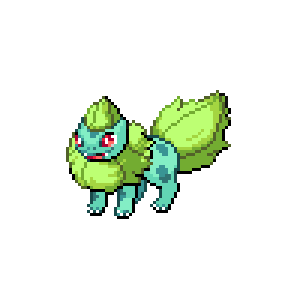
Living in tropical climates, Bulbareon use their leafy tails and manes to absorb energy from sunlight and store it in their bulbs. The excess energy from their photosynthesis runs hot, allowing them to produce flame from their bulbs.

Said to have been programmed to help create digital landscapes, Bulbagon float through fields to plant seeds. While the seeds are completely organic, Bulbagon always seem to buzz in an odd chorus of five notes whenever they start their work.

A Bulbanyte's shell is made out of chloroplasts, allowing the body to constantly gain energy from photosynthesis even when hiding within them. The additional weight of the shell causes Bulbanyte to tire out more frequently.

Bulbastar use their vines to help carry their shells during travel or protect them during photosynthesis. If their shells ever crack, they will shoot off spiny seeds as both a defense mechanism and a way to grow a new one.

Said to be remnants of ancient plants, Bulbato crawl onto shore during the day to absorb nutrients from sunlight. At night, they return to the water, shedding any spare leaves along the waves.

Bulbatops fashion blades out of the leaves that grow from their arms and use them to fight over sunny territories on beaches. They design the blades with specialized curves that help them catch the water as they swim.

Bulbadactyl spread their wings high in the sky to absorb sunlight, casting a fearsome shadow below them. It is believed that these Pokémon ruled ancient forests from the treetops, their piercing cries causing leaves to fall from trees.

Bulbalax wander through forests to gather as many berries as they can. Whatever they don't eat is stored in their bulbs for later. If a Bulbalax gets tired before their next meal, they will share the berries with smaller Pokémon before they sleep.

Said to appear on the first or last day of winter, Bulbacuno's spores can either help collect or clear snow. The frost that Bulbacuno creates can preserve plants through the winter, allowing them to grow back stronger the following spring.
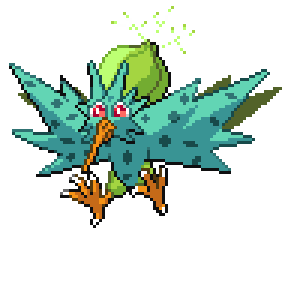
Bulbados flies cloaked in storm clouds, charging its bulb with lightning before producing radiant beams when the storm clears. These concentrated beams of energy will accelerate the growth of plants they touch.
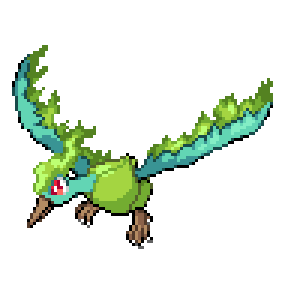
Said to have been brought to life from a stray sprout caught in a wildfire, Bulbatres gathers fire along its wings to redirect it away from nature. Once cloaked in flame, Bulbatres will emit light to aid in photosynthesis in its environment.

Carefully coiled around their bulbs, Bulbatini will lash out at anyone that threatens them. Those that take the time to properly train Bulbatini will find them to be deeply loyal and affectionate.

Bulbanair store energy from photosynthesis in the bulbs on their tails. This energy travels along the Bulbanair's body, allowing them to produce mystical flames from the orbs on their necks or beams of radiant light from their horns.

Despite their large stature, Bulbanite are very docile and friendly Pokémon. If angered, they will shoot a stream of flames from their mouths. These flames contain mystical powers, only harming those that have incurred a Bulbanite's wrath.

Said to have planted a seed that sprouted into the first tree in Kanto, Bulbaew flies throughout the region to look after the growth of forests and budding sprouts. When Bulbaew laughs, flowers bloom around it in vivid colors.

Bulbamagius excitedly gather berries to brew into potions within the bulbs they carry. Once their concoctions are ready, they plant the bulbs that will grow into beautiful trees with leaves of various colors.

Bulbacor fly around their opponents, releasing clouds of spores from their bulbs to poison them and wear them down. Outside of battle, they reduce the toxicity of the spores to heal damage done to their allies instead.

Bulbaran have large ears to protect the bulbs on the back of their heads. These ears act as solar panels, absorbing sunlight to produce energy through photosynthesis.

Bulbarino use the horns on their head to move roots at the bases of trees, creating a sleeping spot. They sleep with only their heads and bulbs above ground, gathering energy in the morning through photosynthesis.

Despite their large stature, Bulbaking are very nurturing Pokémon. They burrow with sprouts, gathering sunlight in their large ears and enriching the soil through photosynthesis to grow new trees.

Their strange bulbs glow on nights of the full moon. It is said that a Bulbafairy's bulb contains Moon Stones that channel their mystical powers and allow them to fly.

Appearing in gardens under the light of the full moon, Bulbafable release a strange, mystical light from their bulbs that helps flowers bloom in vivid color.

As Bulbapuff sing, they sway back and forth, rattling the seeds inside their bulb. If people fall asleep from the soothing song, Bulbapuff spray spores from their bulb in anger.

Bulbatuff inflate their bulbs to fly. As they sing, they scatter seeds from their bulbs, creating beautiful gardens where people can rest.

Bulbabat sleep on the sides of caves during the day, exposing only their bulbs to sunlight. At night, they gather berries and plant them near their caves for easier access.

Bulbabat sink their fangs into trees to absorb nutrients for their bulbs, often leaving withered trees near cave entrances. Drinking too much can make their bulbs too heavy to fly.

The lower body of a Bulbapede absorbs energy from sunlight during the day and glows faintly at night. Bulbapede draw in prey with this glow and shoot them with poisonous needles to knock them out.

Smaller than the bulbs they carry, Bulbaish live in gardens, relying on people or Pokémon to care for them. Healthy Bulbaish with a good home grow darker green bulbs with budding signs.

Bulbaoom gives off an eerie presence, unsettling those who venture too close. Its movements are slow and deliberate, leaving others unsure whether to approach or retreat.

Strong enough to support the bulbs on their head, Bulbaplume care for the gardens they call home. They gather nutrients in their bulbs and bury themselves among flowers, enriching the soil as they rest.

The leaves from Bulbasect's bulbs have grown to wrap around their main body. They spend most of their time hiding among tree roots, draining nutrients to grow their leaves.

Bulbamoth prefer to live on farms, where they use their vines to help tend the soil. Bulbamoth use their toxic spores to paralyze any insects after the crops and then take them away as their own food.

A collection of three sprouts sticking out of the ground signals a nearby burrowed Bulbatrio. They create root networks around their bulbs, sprouting small forests or gardens.

Bulbath live in the highest branches of trees, where the coins on their foreheads blend into the leaves. In the mornings, they poke their heads through the leaves to absorb sunlight for photosynthesis.

When the bulb on Bulbaduck's head glows green, it can speak to plants. However, this ability causes severe headaches, making it a rare sight.

Bulbaduck swim through rivers at incredible speeds. When resting, they submerge their bodies completely, leaving only their bulb visible like a leafy lily pad.

Bulbaape are agile and energetic, using vines around their limbs to swing through treetops. When upset, they lash their vines at the source of their anger, often tangling themselves.

Bulbalithe's fur resembles grass or leaves more than typical fur. They store energy from photosynthesis in their bulbs, releasing it as fire from their mouths.

Covered in grass-like fur, Bulbanine stand atop hills at dawn to gather sunlight. Their roar generates intense heat and light, capable of burning or growing forest sections in minutes.

Bulbabra channel healing power through the spoons they carry. Any sprout planted in a hole dug by their spoon grows quickly into a sturdy and beautiful plant.

Playful by nature, Bulbachop release spores with their punches that energize opponents. They only use their spores to encourage intense battles, never to hinder their foes.

Bulbachoke use their vines to create boxing rings in the forest to train for battle. A fog of spores drifting from a forest clearing is a sign that a group of Bulbachoke are hosting a tournament.

Bulbachamp are considered protégé champions of the forest, known for their incredible strength. They often have trouble using their second pair of arms after evolving, so they use vines to stay organized.
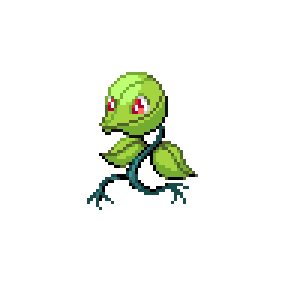
Bulbasprout are formed when a budding sprout gains sentience and forms a body from its developing roots. Bulbasprout wrap their bodies around trees to blend in with the leaves and drain energy in hopes of blooming someday.

Having grown a false body around the plant they sprouted from, Bulbabell use their wide mouths to collect and eat berries all at once. The nutrients are converted into energy for their central bulb.

With their bulbs now making up most of their body, Bulbabell focus on collecting enough food and energy to bloom. They use their vines to gather fallen trees, dissolving them in their bulbs for nutrients.

Nobody knows what the inside of a Bulbacool looks like beneath their outer bell. It is only known that they sprout vines that help them navigate around the water until they find sunny spots to rest.

Bulbacruel use their multitude of vines to protect the bulbs growing from their heads. It is unknown where these vines stem from, but Bulbacruel seem to be able to regenerate or multiply them near instantly.

Bulbadude sleep at cave entrances or on cliff walls, blending in with mossy rocks. They use their durable bodies and large arms to protect the bulbs on their backs as they roll around.

Unaccustomed to using their arms, Bulbaler navigate mountain slopes primarily with their vines. As they roll down mountains, they scatter seeds to create new forests.

An entire ecosystem has sprouted around Bulbalem's body, with their former bulbs hardening into rocks after evolution. The flowers on their body can be launched in explosive barrages or grown into vines for attacks.

Bulbata store heat generated from photosynthesis in the bulbs on their back. Flaming vines sprout from these bulbs, letting them deliver strong attacks while speeding past opponents.

Heat gathered through photosynthesis erupts from Bulbadash as a fiery mane. In battle, they run in complex patterns, aiming vines through the mane to ignite them for attacks.

Bulbapoke wander lake shores to bask in sunlight but often delay, going out late in the day. This incomplete photosynthesis leaves them with less energy, perpetuating the cycle.

Bulbabro sit by lake shores in forests, resting the bulbs on their tails in the water. Wild Pokémon often drink nectar from their bulbs, but Bulbabro are usually too dazed to notice.

The central brain of Bulbaton's three bodies is stored in the bulb on the back of the main body. When releasing electricity, the bulb unfurls slightly, and the screws on their bodies glow.

Bulbaduo have larger bulbs than many other Bulbasaur fusions to support two heads with the photosynthesis of one body. They stand in sunny fields, turning back and forth to heat their heads evenly.

The bulb on Bulbadrio's back has sprouted into a leafy patch, allowing all three heads to absorb sunlight evenly. The heads often squabble as they maintain the leaves.

Preferring more tropical climates to many Seel fusions, Bulbaeel swim along jungle rivers with their bulbs above the water to absorb sunlight. Bulbaeel will rest among rocks in shallow water, using vines to help arrange makeshift beds.

Bulbagong are considered protectors of tropical rivers, using their horns to clear debris. Bulbagong shelter smaller Pokémon using their large bodies, even letting some drink nectar from their bulbs.

Spores from a polluted plant have mutated into a monstrous form. When Bulbauk fight, they scatter sludge that can pollute or mutate nearby plant life.

The top of Bulbader's shell contains chloroplasts that aid in photosynthesis. When sand collects in their shells, they use it to grow plants and leave them along the shore.

Collections of algae gather within Bulbaster's shell, forming a miniature ecosystem. They command the algae to grab targets like vines, constantly gathering materials to grow.

Just before dawn, strange flickering green flames can be seen emanating from garden sprouts. These flames are actually Bulbatly spores, tending to the plants.

Bulbater are said to form when wandering spirits possess budding sprouts. They silently fly at night, draining life force from unsuspecting prey to help their bulbs bloom.

When lost spirits possess budding plants, they absorb the nutrients of living things around them until they are able to grow a full body. These spirits wander as Bulbagar to continue building their strength, the bulbs on their backs slowly blooming.